
Ellie the Elephant
First Sounds SavannahImitation, gestures, first sounds and useful early words.
An inclusive, parent-guided learning world where friendly animal educators help young children practice communication through songs, stories, movement and everyday play.

Each character leads a familiar learning world, helping caregivers choose activities that match a child’s communication needs and interests.
Imitation, gestures, first sounds and useful early words.

Greetings, confidence, turn-taking and connection.

Action words, movement, play and joyful imitation.

Emotions, routines, self-advocacy and calming.
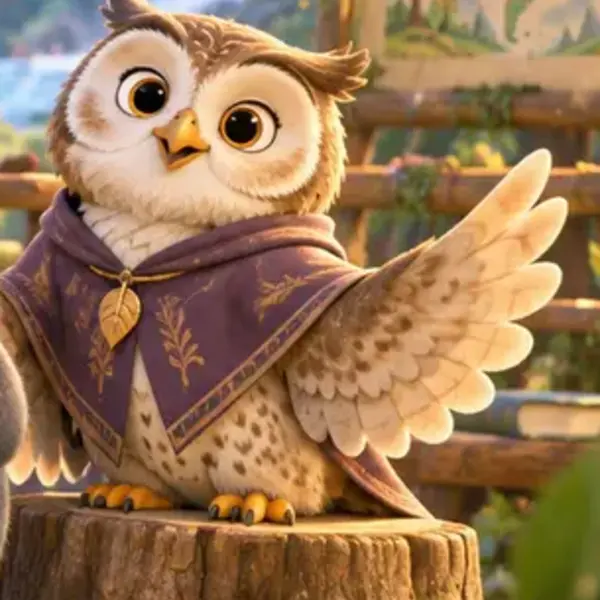
Vocabulary, questions, concepts and early stories.
Age can guide the starting point, but communication ability determines the pathway. Parents can move between stages whenever a child is ready.
Shared attention, listening, sound play and back-and-forth interaction with a trusted adult.
Every lesson includes a short video to watch with your child, one clear objective, several chances to practice, and an activity to continue during daily routines.
Imitate fun animal sounds together — mooing, baaing, and quacking — to build early sound play and listening skills.
Practice waving hello and goodbye with gestures, speech, or AAC to build first greetings.
Model a useful request through speech, sign, gesture, a picture or AAC.
Practice warm greetings — waving, saying hi, and smiling — to build connection and confidence.
Build comfortable back-and-forth interaction without pressure through sharing and turn-taking games.
Celebrate every attempt with high fives and cheers — recognizing effort builds confidence and friendship.
Practice go, stop, jump and turn through a predictable movement game full of energy.
Copy fun animal movements — jumping like a frog, hopping like a bunny — to build imitation and motor skills.
Dance when the music plays, freeze when it stops — a fun way to practice listening and following directions.
Match facial expressions with simple emotion words and learn ways to talk about feelings.
Practice a simple calming routine — breathing in and out — to help with big feelings and self-regulation.
Practice saying I need a break or I need help — building self-advocacy and confidence.
Practice asking and answering what, where, and who questions while exploring the magical forest.
Learn concepts like big, small, tall, and short by comparing objects in the Storytime Forest.
Build early storytelling skills by sequencing simple events — beginning, middle, and end.
The screen begins the activity. The relationship between child and caregiver carries learning into meals, playtime, bath time and the rest of the day.
“Communication is bigger than speech—and every attempt matters.”
Caregiver notes explain the lesson goal, what to look for and how to respond without pressure. ChatterPaws complements—not replaces—qualified professional guidance.
View parent dashboardDiscover an inclusive learning world for children, parents and the professionals who support them.
Enter the parent preview